An Atmospheric Possession
why the wind makes people weird

5/12/2026
Thank you, always, to our dear Paid Subscribers and to everyone who comes to Flash Club, free every Thursday night on Zoom.
((No Flash Club this week (5/14) but we’ll be back 5/21))
Subscribe to stay in the loop, and if you’re able, consider going paid.
We keep this thing running ourselves, with a lot of time, heart, and hustle, and your support helps keep it alive.
(This is part 5 in Leah’s Gothic Literature series)
I caught on pretty quickly as a kid that wind brought out the weird in people.
You’d walk onto campus on a windy day and suddenly everyone was a troublemaker and those who had already been deemed troublemakers had leveled up to straight up demonic, doing the most outlandish things for no reason at all; throwing chairs, storming out of classrooms, getting into screaming matches in hallways over needing chapstick or having to pee or forgetting their lunch at home. It was as though the wind itself had swept through the halls and entered these students, possessing them for the afternoon.
I’ve noticed it in my adult life, too. Wind makes people wacky. It’s almost guaranteed every single customer before 8 am will come in extra cranky and extra caffeine-deprived if there’s wind in the forecast.
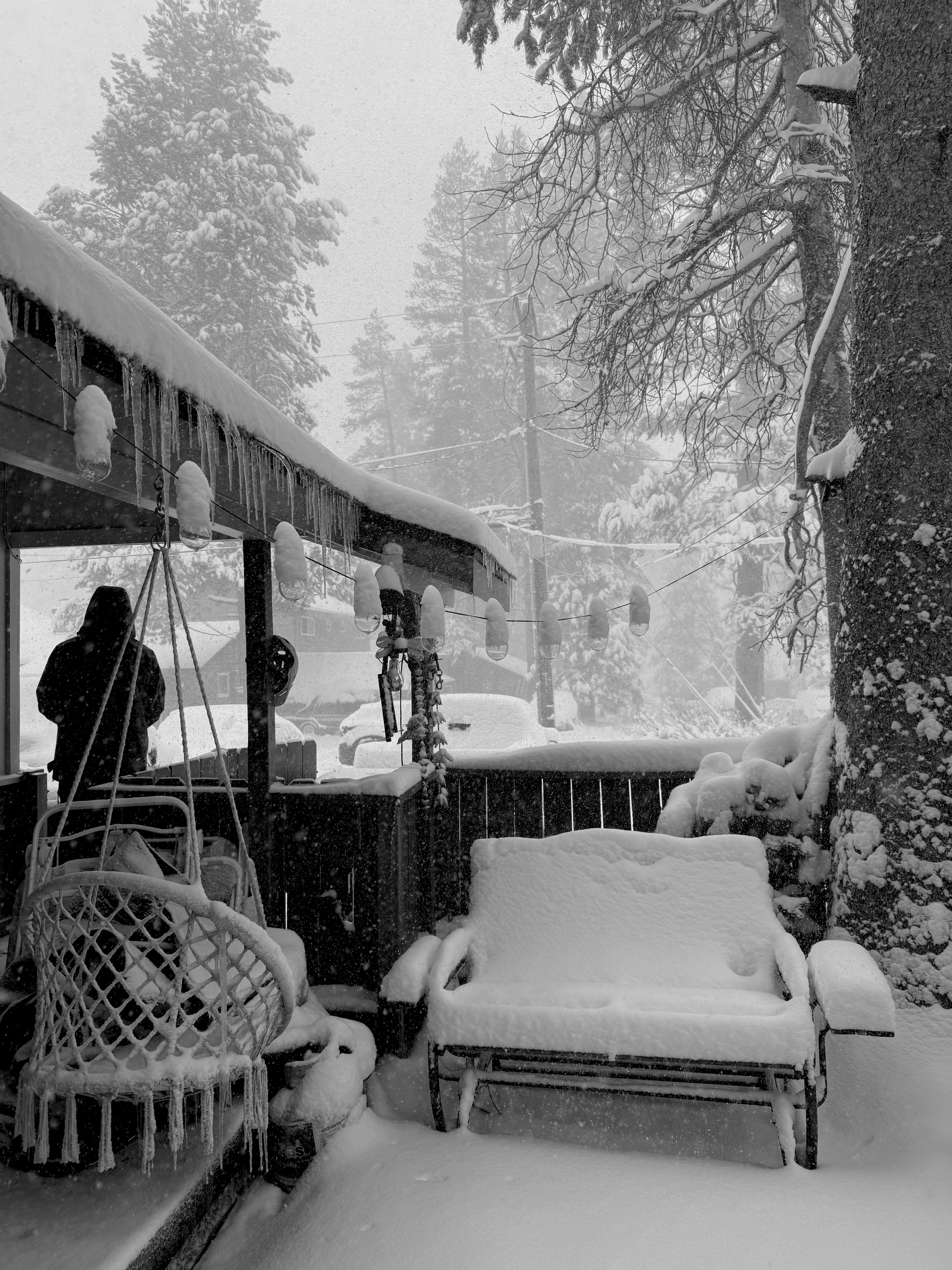
Weather across the board does this. Dark clouds sedate us, rain overnight leaves us feeling oddly rested the next morning, the sun pulls smiles onto faces almost involuntarily, snow softens sound until the entire world feels quieter, slower, more cautious.
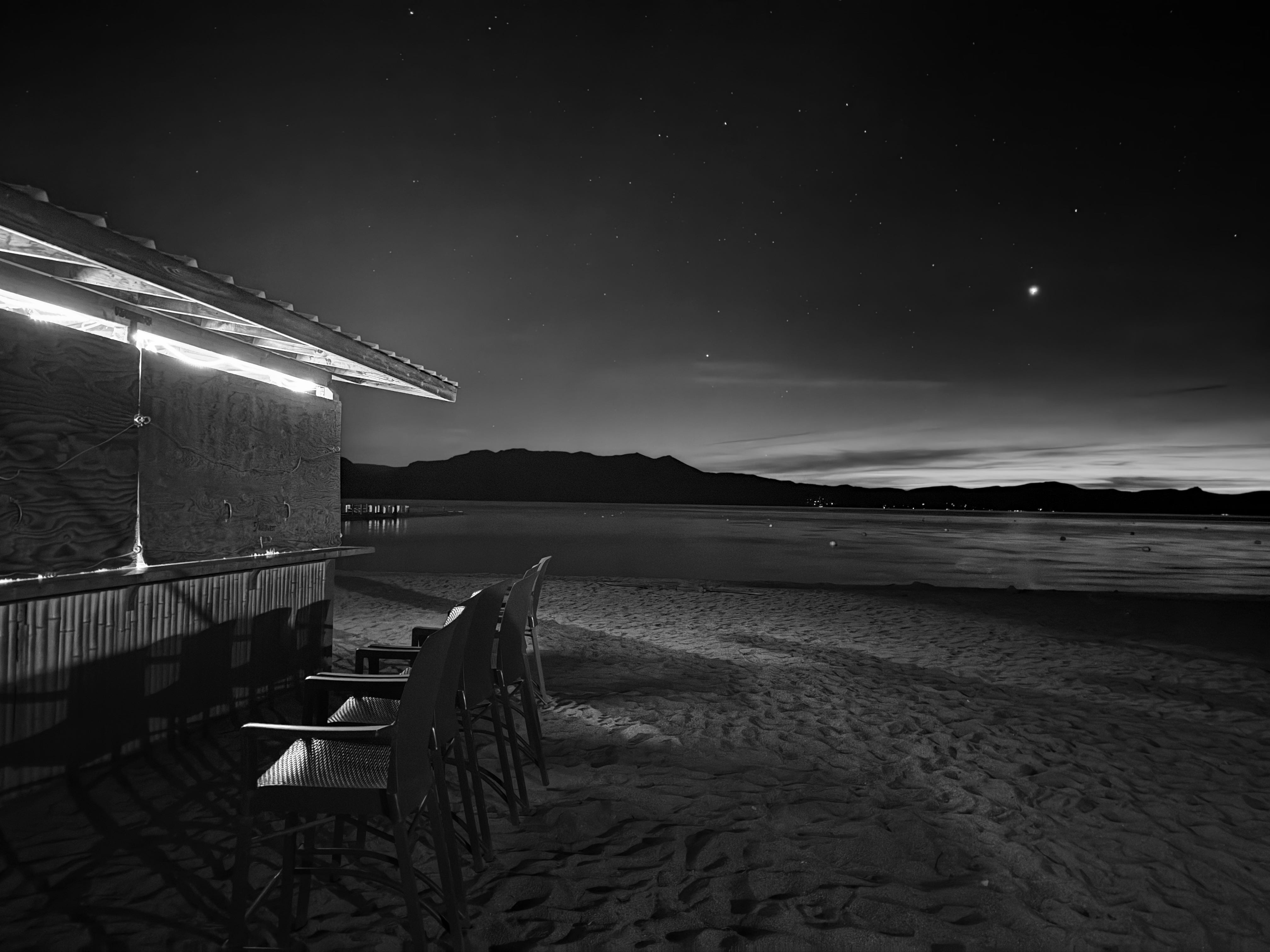
And landscape is no different. Places settle into us just as much as we settle into them. A lake town behaves differently than a desert town, a mountain winter produces different habits than relentless heat, isolation alters people, so does overcrowding, so does living underground, or beside the ocean, or at the edge of somewhere constantly threatening to flood.
Part of this is simply science, I suppose. Sunlight gives us necessary vitamins, rain is white noise that stabilizes certain brain patterns, snow absorbs sound, heat and pressure systems trigger headaches and fatigue and frustration.
But literature has always understood something beyond the science as well: weather and landscape change the emotional reality of our characters, the behavior of a society as a collective, the direction in which the story is being steered.
And really good literature makes us feel those changes alongside its characters.
Gothic literature is infamous for this, from the perfectly timed thunderstorms and downpours to the fog-heavy moors and decaying estates, Gothic environments are rarely passive scenery. They are emotional pressure systems, the weather enters the body, the landscape reshapes behavior, altering what people are willing to say, do, ignore, fear, confess, become, etc., etc.
Classic Gothic Examples
In The Cask of Amontillado, Poe constantly uses environment to control both emotional pressure and physical sensation. We begin in the crowded streets during carnival, surrounded by heat, chaos, color, noise, drunkenness, bodies pressing together so tightly we start feeling claustrophobic ourselves. Even before anything explicitly dangerous happens, the atmosphere is already overwhelming us, pushing inward.
Then Fortunato is pulled away from the crowd and, briefly, it almost feels like relief, quieter, more intimate, an escape from the chaos, but something underneath the scene continues pressing against us, warning that something is wrong.
And then Poe leads us down into the catacombs, into the damp and narrowing dark, into the cold, the wet stone, the poor air, the walls closing tighter and tighter around the characters and therefore around us. We begin sweating, straining to see, moving forward even while dread builds because the environment itself refuses to release the tension. By the time Fortunato is finally trapped, the environment has already been trapping us for pages.
Likewise, in Wuthering Heights, the moors are not passive scenery stretching prettily beyond the window. Isolation mutates love into obsession, grief into haunting, longing into violence. The landscape feels wild because the characters do, or perhaps the characters become wild because the landscape demands it.
Frankenstein is, of course, the quintessence of this trope. Weather constantly mirrors and amplifies emotional isolation. Victor’s most profound moments of grief, terror, obsession, and guilt unfold alongside violent storms, freezing mountains, dark wilderness, and unforgiving natural landscapes. Even the creature’s creation arrives through lightning and rain, nature itself participating in the act. The world of Frankenstein is cold, immense, and emotionally inhospitable, and the further Victor pushes himself from human connection, the harsher the environment surrounding him becomes.
Even something as unapologetically excessive as Van Helsing understands this instinctively. Castles loom beneath lightning storms, forests disappear into fog, wind tears through nearly every major confrontation, blue storm light floods the screen, lycans lunging through moonlit downpours. The weather is never neutral. It exists to heighten danger, to make the world feel perpetually unstable.
Gothic literature asks us to consider what the external environment does to the internal environments of its characters.
Modern Descendants
In Swamplandia! (okay, how could I not bring Russell back in to this one? She’s so good at it … I’m reading Antidote right now and my god, the weather! the environment!), the swamp becomes mythology, danger, inheritance, performance, and grief all at once. The environment shapes the family’s understanding of themselves, their livelihood, their superstitions, and their survival. The landscape does not merely contain the story. It generates it. So much so that it nearly CONSUMES them, however that may be for each of the characters.
In The Silo Series (I decided we should bring in a lil post-apoc sci-fi because it’s one of my favorite genres and it learns from gothic, too!), an artificial underground environment creates entire systems of fear, obedience, ritual (more about this trope coming in two weeks lol), and inherited belief. People born into the silo accept certain anxieties and rules as natural simply because the environment has conditioned them to. Entire social structures emerge from architecture and scarcity.
And then there’s the EXTERNAL environment, beyond the Silo, which is a whole other beast entirely. The outside world exists as forbidden, mythologized, distorted through rumor and terror, simultaneously feared and desired.
This series absolutely takes the cake on this trope.
Likewise, in The Peripheral, environmental collapse reshapes technology, class systems, survival instincts, and social behavior. Landscape becomes future-pressure. The altered world changes not only how people live, but how they imagine possibility itself.
Plus - we’re given multiple ecosystems to move through: the past, the present, the future. Through technology, through other worlds, through other bodies. Each environment produces its own logic, anxieties, limitations, and rituals (!!!). The characters aren’t simply existing within these worlds, they are being trained by them.
In Station Eleven, Mandel proves weather and landscape to be inseparable from both survival and memory after societal collapse. Snow, abandoned roads, forests, the absence of modern infrastructure all reshape not only how people move through the world, but what they value within it. The environment slows life down, changes our idea of safety, turns ordinary weather into meaningful threat. The landscape becomes a constant reminder that the world the characters once understood no longer exists. (brilliant).
Why This Matters for Writers
But what is perhaps most interesting about all of this is that no matter where you place your characters, or what weather pattern you trap them inside, they will adapt.
Gracefully? Not always. In fact, hardly ever.
But something inside them shifts alongside the exterior because it has to. Environment is never neutral. Pressure reshapes behavior, behavior reshapes belief, and eventually the strange thing becomes ordinary.
The yearly storm becomes tradition, almost a necessary superstition, underground bunkers become home, the drought changes morality, coastlines reshape longing, isolation alters what people are willing to ignore, endure, or are even capable of perceiving in the first place.
This is part of what Gothic literature understands so well, and why its influence continues reaching far beyond haunted houses and thunderclaps. Setting is not simply where a story takes place. It is one of the forces actively shaping what the story becomes.
What are your thoughts?
Okay, the fun part…
Writing Prompt: Weathering the Storm
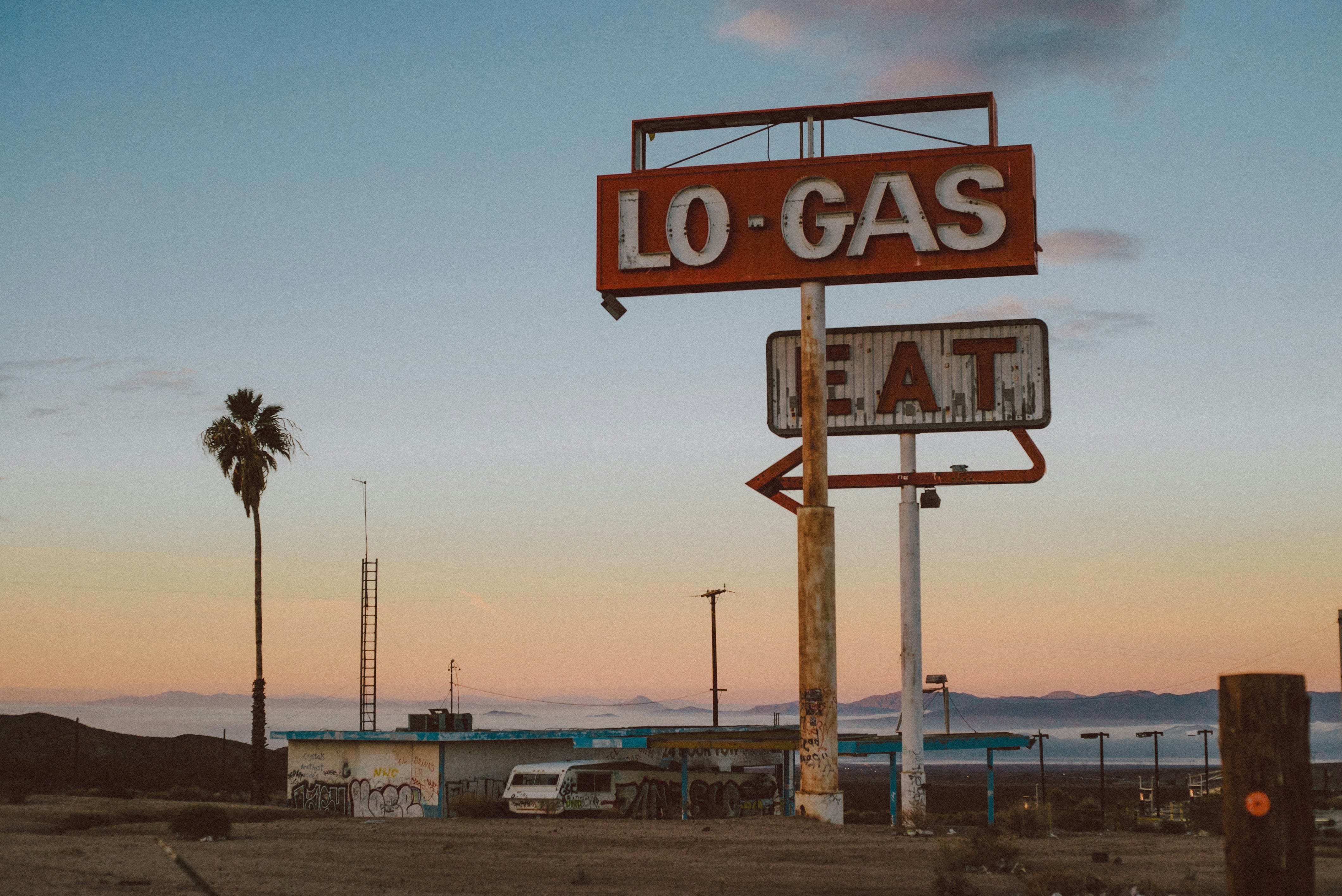
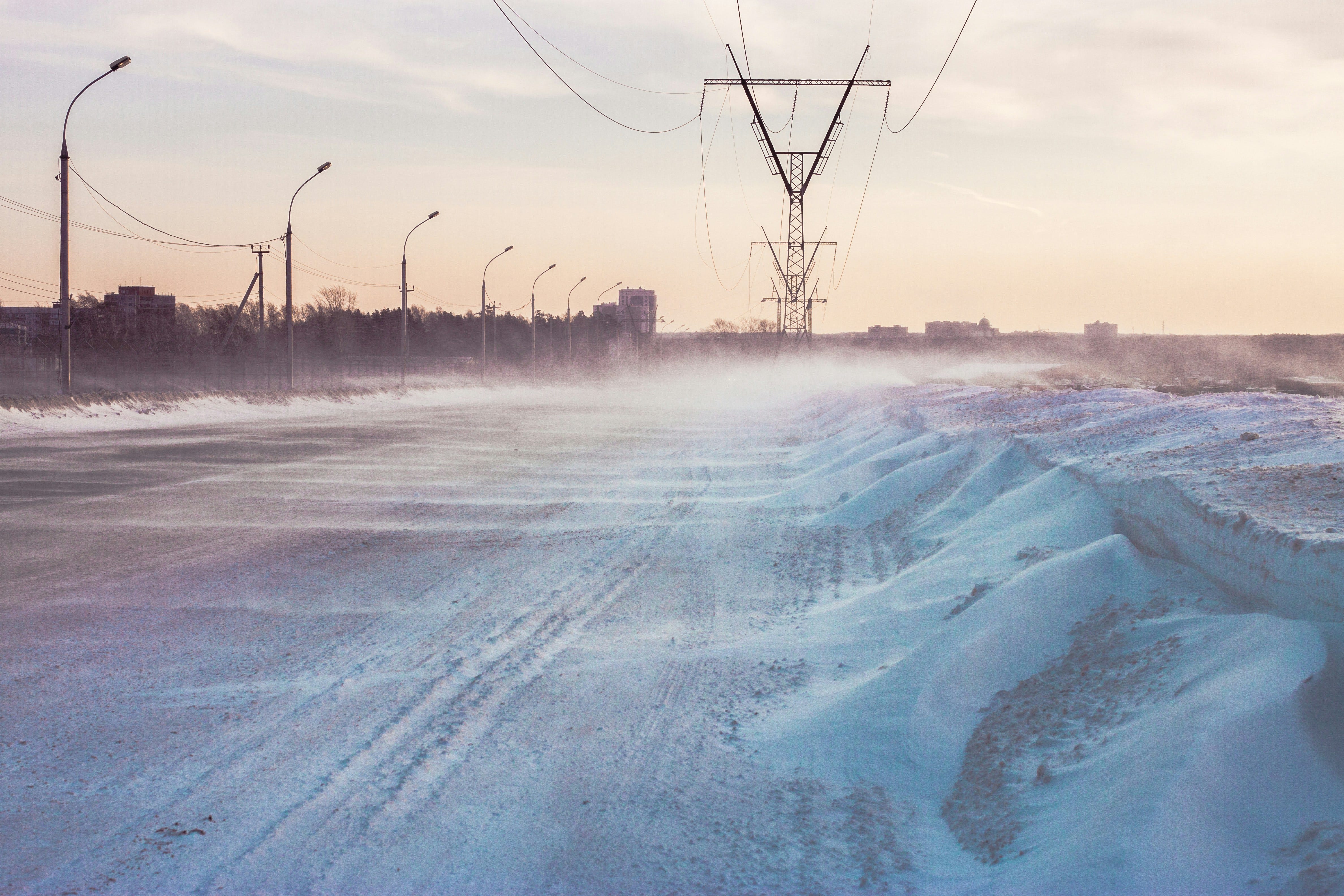
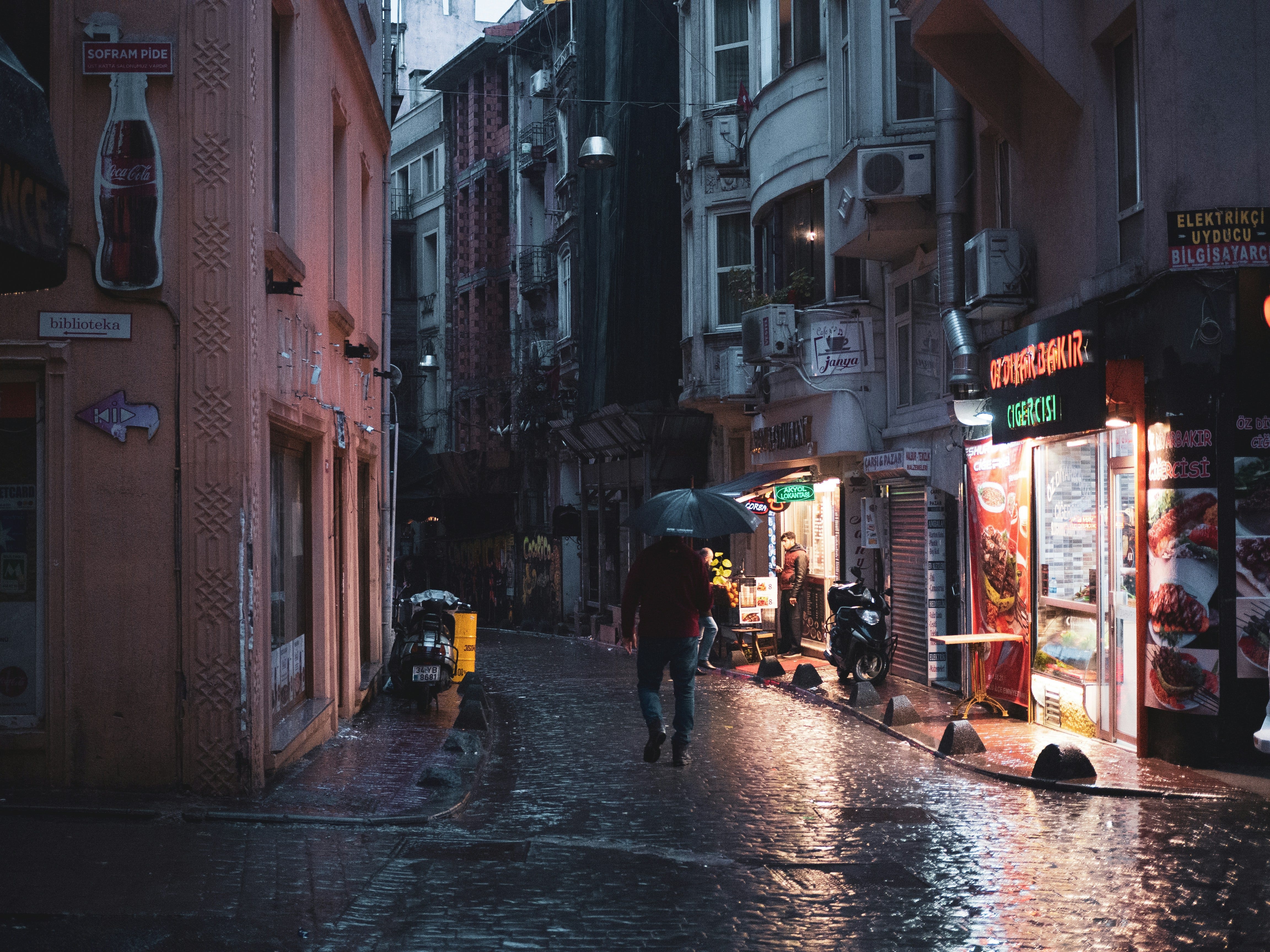
Begin with a quick ekphrastic sketch of one of the landscape/environmental conditions above, however it calls to you. Embellish if you like. Include what isn’t there yet, but what you feel could be, or what seems to linger just outside the frame. Keep it concrete and sensory.
Now place one to thirty people inside it.
How does the environment begin shaping their behavior? What habits, fears, routines, rituals, or beliefs emerge from living there? What becomes normal to them that would seem strange to outsiders?
Write toward adaptation. Whether graceful or with resistance.
Let the landscape change the people within it.
We’d Love for You to Join us at Flash Club!
Thursday Flash Club — Cancelled this week (5/14/2026 - will resume 5/21) Weekly on Zoom!
- Prompts, mini craft lessons, and community.
- Keeps us writing, talking, and trying new things.- Totally, 100%, absolutely free! Subscribe to get the link every Thursday night.
Enrichment Series
TONIGHT! Folk Horror and Story Structure — May 12 - 7 pm EST
We explore folk horror as a storytelling framework with Andrea Adams!If you enjoyed this piece, you’ll be sure to enjoy this session!
Meanwhile
It’s very sunny here in Tahoe and I could not be happier.
Leah loves summer in Tahoe.
See you next time!
Leah